When I think about the 2026 Chevrolet, I can’t help but consider the common problems that might arise. While Chevrolet has a solid reputation for reliability, every model year has its quirks. In my experience, understanding these issues can help potential buyers make informed decisions.
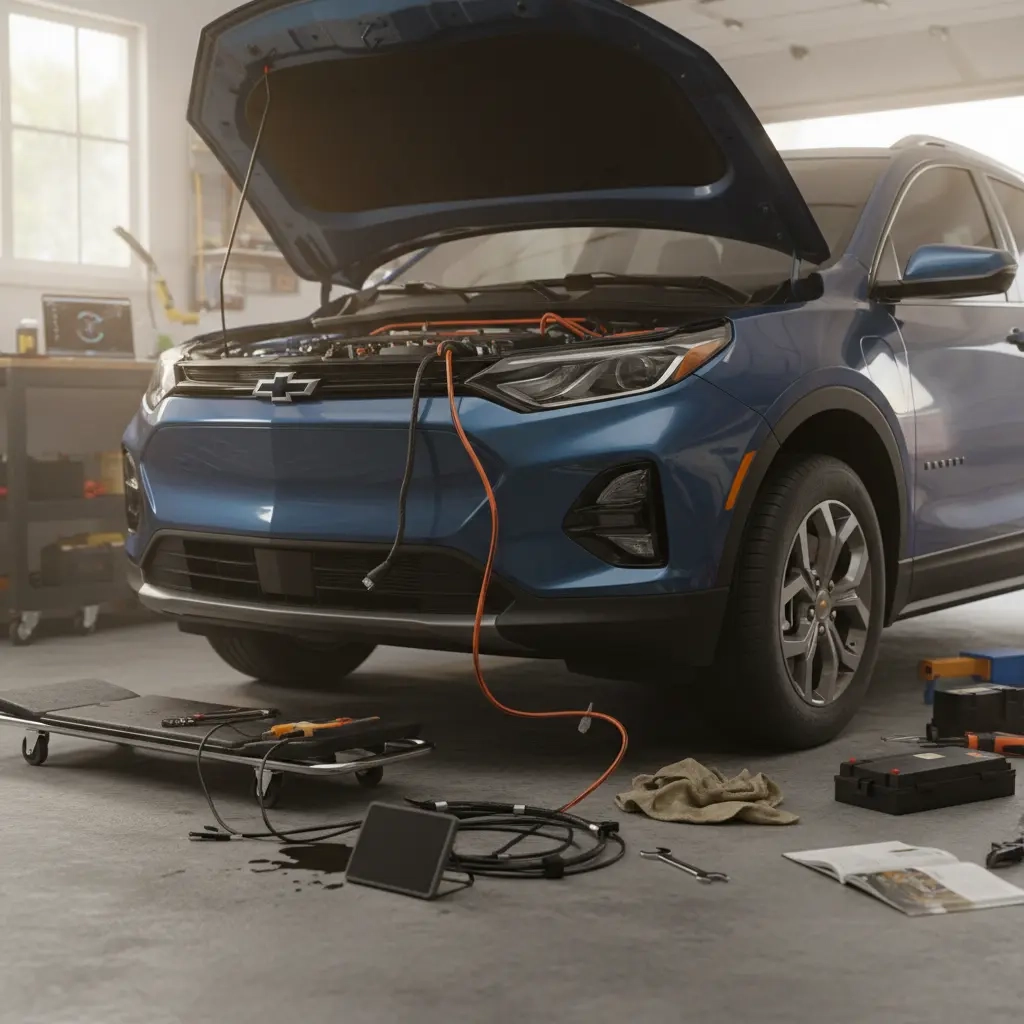
2026 Chevrolet common problems
Performance and Engine
The 2026 Chevrolet lineup boasts impressive performance, but there are a few common problems to keep in mind. Some drivers have reported engine stalling or rough idling, particularly in the early models. This can often be traced back to fuel delivery issues or sensor malfunctions.
Additionally, I’ve found that certain engine variants may experience excessive oil consumption. Regular maintenance and timely oil changes can mitigate this issue, but it’s something to watch out for if you’re considering this vehicle.
Interior and Comfort
In terms of interior comfort, the 2026 Chevrolet generally excels. However, I’ve noticed some complaints regarding the quality of materials used in certain trims. Some owners have reported premature wear on upholstery and dashboard components.
Another common problem is related to the seating comfort. While many find the seats supportive, a few have mentioned that they lack adequate lumbar support for long drives. If you’re planning on taking road trips, it’s worth test-driving to see how it feels for you.
Technology and Features
The technology in the 2026 Chevrolet is quite advanced, but it’s not without its issues. I’ve encountered feedback about connectivity problems with the infotainment system. Some users have experienced Bluetooth dropouts or difficulty pairing their devices.
Additionally, while the navigation system is generally reliable, there have been reports of outdated maps and slow updates. Keeping your software current can help alleviate some of these concerns.
Fuel Economy / Range
Fuel economy is always a hot topic among car buyers, and the 2026 Chevrolet does not disappoint in this area. However, I’ve found that some models may not deliver the expected mileage under real-world conditions. Factors like driving habits and load can significantly impact fuel efficiency.
It’s essential to consider your driving style and typical usage when evaluating fuel economy claims. In my experience, hybrid models tend to perform better than their gasoline counterparts in urban settings.
Pros and Cons
- Pros:
- Strong performance across most models
- Advanced technology features
- Spacious interior with comfortable seating
- Good fuel economy in hybrid variants
- Common engine issues like stalling
- Poor quality materials in some trims
- Infotainment connectivity problems
- Inconsistent fuel economy in real-world driving
Final Verdict
In my opinion, the 2026 Chevrolet offers a compelling package with its blend of performance and technology. However, potential buyers should be aware of the common problems associated with this model year. By staying informed and proactive about maintenance, you can enjoy all that this vehicle has to offer while minimizing potential headaches down the road.