Understanding Honda Maintenance Costs
In my experience, when considering a Honda, one of the first questions that comes to mind is the maintenance cost. I’ve found that Honda vehicles are generally known for their reliability, but how does that translate into actual costs over time? Let’s dive into the details.
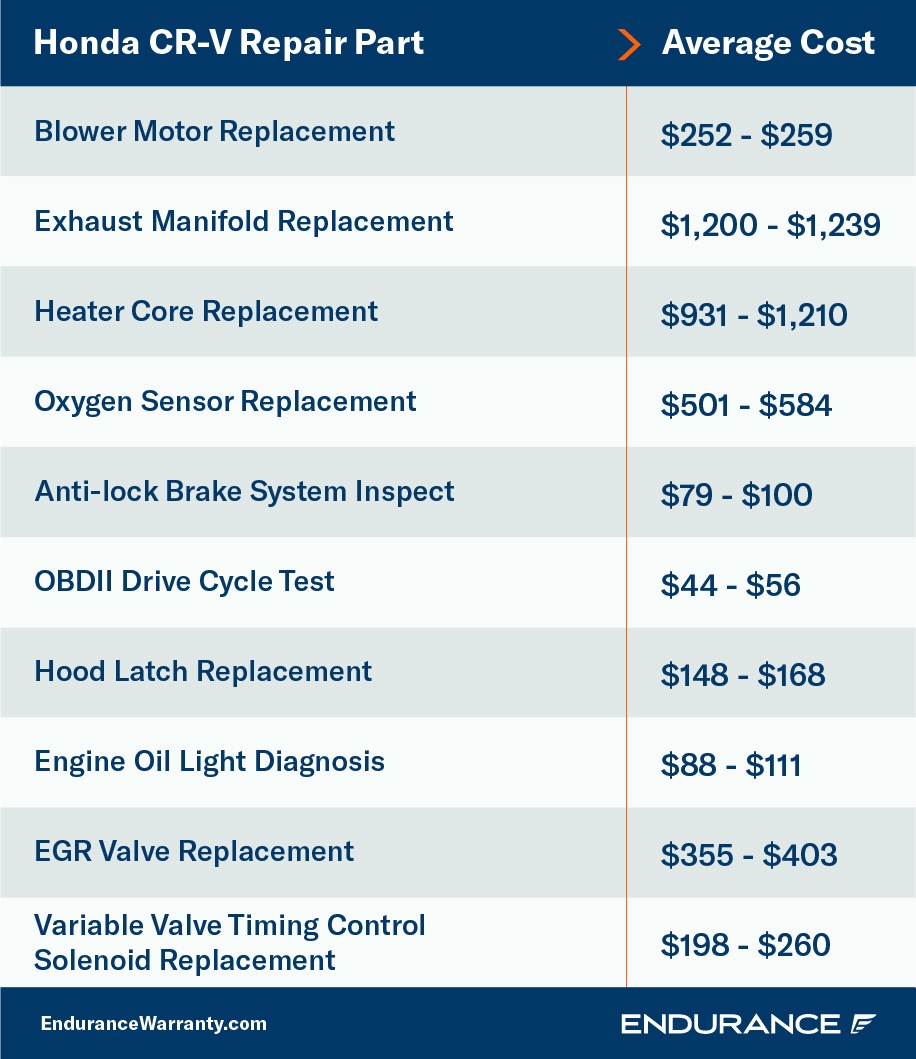
Honda maintenance cost comparison
First Impressions of Honda Reliability
When I first got behind the wheel of a Honda, I was impressed by its smooth performance and build quality. Many Honda owners rave about their vehicles lasting well beyond 200,000 miles with minimal issues. This reputation for longevity often leads to lower maintenance costs compared to other brands.
Breakdown of Common Maintenance Costs
It’s essential to look at specific maintenance tasks and their associated costs. Here’s a quick overview:
- Oil Changes: Typically range from $30 to $70.
- Tire Rotation: Usually costs between $20 and $50.
- Brake Pad Replacement: Can vary from $150 to $300 per axle.
- Battery Replacement: Generally falls between $100 and $200.
Fuel Economy and Its Impact on Costs
One of the standout features of Honda vehicles is their fuel efficiency. I’ve noticed that models like the Honda Civic and Accord offer impressive miles per gallon (MPG), which can significantly reduce overall ownership costs. For instance, a Civic can achieve up to 36 MPG on the highway, making it an economical choice for daily commutes.
Comparing Honda Models
If you’re considering multiple Honda models, it’s worth comparing their maintenance costs. For example, while the CR-V may have slightly higher service costs due to its SUV classification, it also offers more space and versatility. On the other hand, the Fit is compact and often cheaper to maintain.
Technology and Features Impacting Maintenance
The technology in newer Honda models can also influence maintenance costs. Features like advanced driver-assistance systems may require specialized service, which can be pricier than traditional repairs. However, these technologies often enhance safety and reliability, making them worthwhile investments in the long run.
Ownership Experience: What to Expect
From my perspective, owning a Honda is generally a positive experience. The brand’s commitment to quality means fewer unexpected repairs. Additionally, many dealerships offer competitive service packages that can help manage costs effectively over time.
The Importance of Regular Maintenance
I’ve learned that sticking to a regular maintenance schedule is crucial for keeping costs down. Simple tasks like changing air filters or checking fluid levels can prevent more significant issues down the road. Honda’s recommended maintenance intervals are straightforward and easy to follow.