First Impressions of the 2027 Toyota RAV4 Hybrid vs Gas
When I first laid eyes on the 2027 Toyota RAV4, I was struck by its bold design and modern aesthetics. The hybrid model stands out with subtle blue accents, while the gas version maintains a more traditional look. Both versions exude a sense of adventure that Toyota is known for, but I couldn’t help but wonder how they stack up against each other in terms of performance and efficiency.
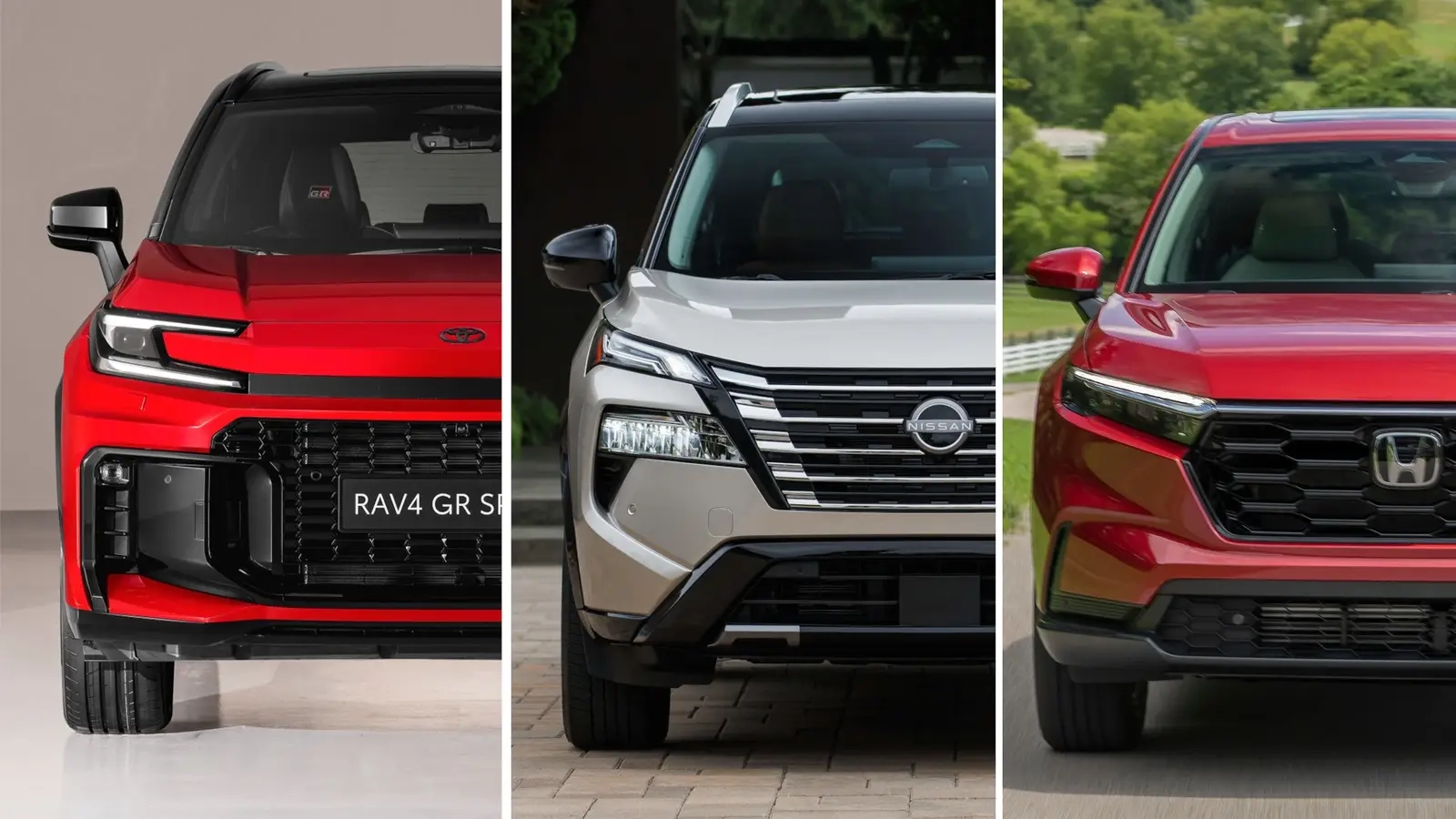
2027 Toyota RAV4 hybrid vs gas comparison
Performance and Driving Experience
In my experience, the driving dynamics of the RAV4 are impressive across the board. The hybrid variant boasts a 2.5-liter four-cylinder engine paired with an electric motor, delivering a combined output of around 219 horsepower. This setup provides a smooth acceleration that feels responsive in city traffic.
On the other hand, the gas version offers a similar engine but without the electric boost. While it produces slightly more horsepower at around 203, I found that the hybrid’s torque delivery gives it an edge in everyday driving situations. Whether merging onto highways or navigating through tight spaces, both models handle well, but the hybrid feels more agile.
Fuel Economy: A Key Comparison
One of the most significant differences between the 2027 Toyota RAV4 hybrid and gas models is fuel efficiency. The hybrid variant shines here, achieving an estimated 40 mpg in the city and 36 mpg on the highway. In contrast, the gas model offers around 27 mpg in the city and 35 mpg on the highway.
This difference can translate to substantial savings over time, especially for those who frequently drive in urban settings. I’ve found that if you’re looking for a vehicle that balances performance with economy, the hybrid is hard to beat.
Interior Comfort and Cabin Quality
Stepping inside both models reveals a well-designed cabin that prioritizes comfort and functionality. The materials used in both versions feel premium, with soft-touch surfaces and quality finishes. However, I noticed that the hybrid comes equipped with additional features like a larger touchscreen display and enhanced sound insulation.
The seating is spacious in both models, providing ample legroom for passengers. I particularly appreciated the adjustable rear seats in both versions, which allow for flexible cargo space when needed.
Technology and Infotainment Features
When it comes to technology, both RAV4 models are equipped with Toyota’s latest infotainment system. The interface is user-friendly, featuring Apple CarPlay and Android Auto compatibility. However, I found that the hybrid model includes more advanced safety features as standard, such as adaptive cruise control and lane-keeping assist.
The gas version does offer these features but may require opting for higher trim levels to access them all. For tech-savvy drivers or families looking for added safety on the road, this could be a deciding factor.
Exterior Design: Aesthetic Appeal
The exterior design of both models is striking yet functional. The hybrid’s unique styling elements give it a modern flair that appeals to eco-conscious buyers. Meanwhile, the gas version maintains a rugged look that aligns with traditional SUV aesthetics.
I’ve found that both vehicles are built to withstand various weather conditions, thanks to their robust construction and available all-wheel-drive options. Whether you prefer a sleek or rugged appearance, Toyota has something for everyone.
Trim Levels and Pricing
The pricing structure for both models is competitive within their segment. The base hybrid starts slightly higher than its gas counterpart due to its advanced technology and efficiency features. However, considering long-term fuel savings and potential tax incentives for hybrids, it may be worth the investment.
- Hybrid Base Trim: Starting around $30,000
- Gas Base Trim: Starting around $28,000
Final Thoughts on Ownership Experience
In conclusion, choosing between the 2027 Toyota RAV4 hybrid vs gas model ultimately depends on your lifestyle and driving habits. If you prioritize fuel efficiency and advanced technology features, the hybrid is an excellent choice. However, if you prefer a more traditional driving experience with slightly more power under the hood, then the gas version might be your best bet.
I’ve enjoyed my time behind the wheel of both models and can confidently say that either choice will provide reliability and comfort for years to come.