When it comes to the 2027 Audi vs BMW EV debate, I’ve found that both brands are pushing the boundaries of electric vehicle technology. As we step into a new era of automotive innovation, these two German giants are not just competing; they’re redefining what luxury electric vehicles can offer. From performance to comfort, let’s dive into what each brand brings to the table.
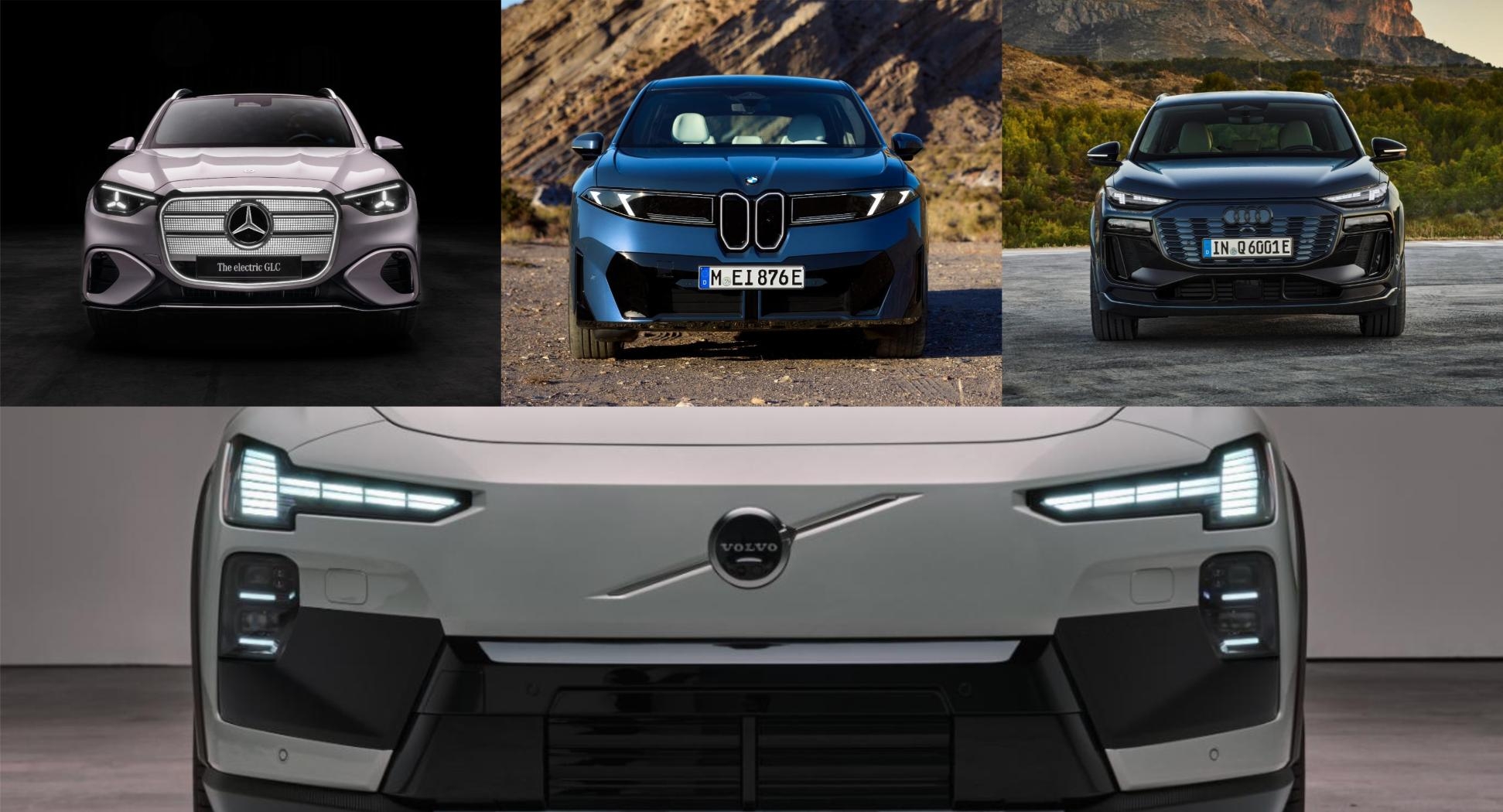
2027 Audi vs BMW EV
Performance and Engine
In my experience, performance is a key factor when choosing an electric vehicle. The 2027 Audi EV lineup boasts impressive acceleration and handling. With dual motors in many models, Audi delivers a seamless power distribution that enhances driving dynamics. I’ve noticed that their Quattro all-wheel-drive system provides exceptional grip, especially in challenging weather conditions.
On the other hand, BMW’s EV offerings are equally compelling. The 2027 BMW EVs feature their renowned eDrive technology, which optimizes power delivery for a thrilling driving experience. I’ve found that the instant torque available in BMW models makes for exhilarating acceleration, often rivaling traditional combustion engines.
Interior and Comfort
When it comes to interior quality, both Audi and BMW have set high standards. In my opinion, Audi tends to lean towards a minimalist yet luxurious design. The materials used are top-notch, and the ambient lighting creates a serene atmosphere. I appreciate how Audi integrates technology seamlessly into the cabin without overwhelming the driver.
BMW, however, offers a sportier feel in their interiors. The 2027 models feature ergonomic seating and driver-focused layouts that enhance the driving experience. I’ve found that both brands prioritize comfort, but BMW’s emphasis on sportiness might appeal more to enthusiasts.
Technology and Features
In today’s digital age, technology plays a crucial role in our driving experience. The 2027 Audi EVs come equipped with the latest MMI infotainment system, which I’ve found to be intuitive and user-friendly. Features like voice recognition and smartphone integration make it easy to stay connected on the go.
BMW counters with its iDrive system, which has also evolved significantly over the years. I appreciate how BMW incorporates gesture controls and advanced navigation features that enhance usability. Both brands offer cutting-edge safety technologies, including adaptive cruise control and lane-keeping assistance, ensuring peace of mind on every journey.
Fuel Economy / Range
Range anxiety is a common concern among electric vehicle owners. In my experience with the 2027 Audi vs BMW EVs, both brands have made significant strides in this area. Audi’s latest models boast impressive ranges, often exceeding 300 miles on a single charge. This makes long-distance travel more feasible without frequent stops.
BMW is not far behind; their EVs also offer competitive ranges that cater to daily commutes and weekend getaways alike. I’ve noticed that both manufacturers are investing heavily in battery technology to enhance efficiency and reduce charging times, making them more appealing for everyday use.
Pros and Cons
- Audi EV Pros:
- Luxurious interior with high-quality materials
- Smooth performance with Quattro all-wheel drive
- User-friendly MMI infotainment system
- Higher price point compared to some competitors
- Less sporty handling than BMW
- Sporty driving dynamics with instant torque
- Advanced iDrive system with innovative features
- Comfortable seating with driver-focused design
- Interior may feel less luxurious than Audi’s
- Some models may have shorter range options
Final Verdict
In my opinion, choosing between the 2027 Audi vs BMW EV ultimately comes down to personal preference. If you value luxury and a refined driving experience, Audi might be your best bet. However, if you’re looking for sportiness and cutting-edge technology, BMW could be the way to go. Both brands have their unique strengths, making them formidable contenders in the electric vehicle market.