Exploring the 2027 GMC Canyon Payload Capacity
When I first laid eyes on the 2027 GMC Canyon, I was immediately impressed by its rugged design and robust features. One of the standout aspects that caught my attention was its payload capacity. For anyone considering a mid-size truck, understanding this metric is crucial, especially if you plan to use it for work or recreational activities.
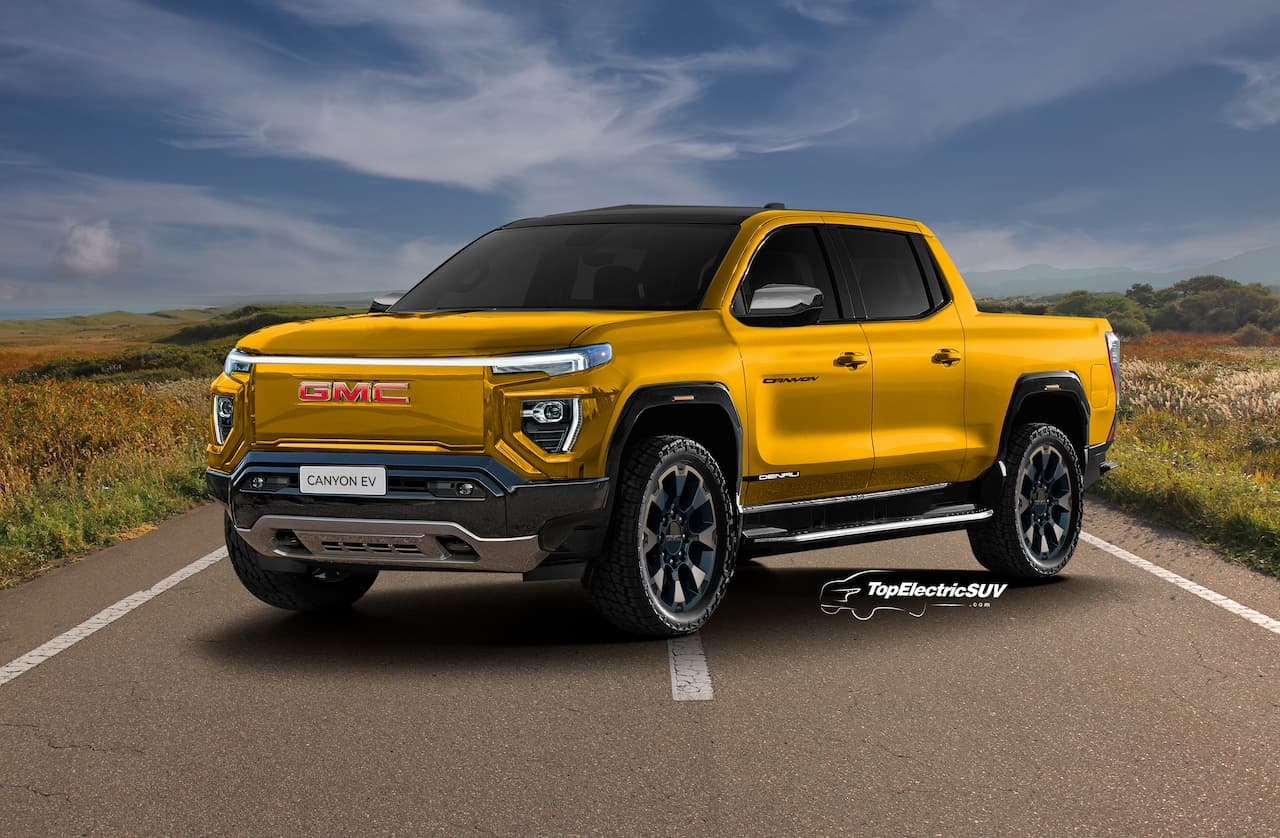
2027 GMC Canyon payload capacity
First Impressions of the 2027 GMC Canyon
The 2027 GMC Canyon exudes confidence with its bold exterior and muscular stance. As I approached the vehicle, I couldn’t help but notice the attention to detail in its design. The front grille is striking, and the overall build feels solid. But beyond aesthetics, what truly matters is how it performs under load.
Payload Capacity: What to Expect
The payload capacity of the 2027 GMC Canyon varies depending on the trim level and configuration. Generally, you can expect a payload capacity ranging from 1,400 to 1,600 pounds. This range makes it competitive within its class, allowing for practical usage whether you’re hauling tools for work or gear for a weekend adventure.
Driving Feel and Real-world Usage
In my experience driving the Canyon, I found that it handles well even when loaded. The suspension system does an excellent job of absorbing bumps, making for a comfortable ride. Whether navigating city streets or tackling off-road trails, the Canyon remains stable and responsive.
Performance and Engine Options
The performance of the 2027 GMC Canyon is impressive, thanks in part to its engine options. The base model comes equipped with a capable four-cylinder engine, while higher trims offer a powerful V6 option. This variety allows drivers to choose based on their needs—whether prioritizing fuel efficiency or raw power.
Interior Comfort and Cabin Quality
Stepping inside the Canyon reveals a well-designed cabin that balances comfort with functionality. The materials used feel premium, and there’s ample space for both front and rear passengers. I appreciated the thoughtful layout of controls and storage compartments, which enhance practicality during daily use.
Technology and Infotainment Features
The technology in the 2027 GMC Canyon is another highlight. With an intuitive infotainment system featuring a touchscreen display, connectivity options like Apple CarPlay and Android Auto are seamlessly integrated. This makes it easy to stay connected while on the road.
Trim Levels and Pricing
The Canyon comes in several trim levels, each offering unique features that cater to different preferences and budgets. Starting from a base model that provides essential features to higher trims packed with luxury amenities, there’s something for everyone. Pricing typically ranges from $30,000 to over $45,000 depending on the configuration.
Fuel Economy: Balancing Power and Efficiency
One aspect that often gets overlooked is fuel economy. The 2027 GMC Canyon manages to strike a balance between power and efficiency. With estimates around 20-25 mpg combined depending on the engine choice, it stands out as a practical option for those who need both capability and cost-effectiveness at the pump.
Ownership Experience: Practicality at Its Best
Owning a GMC Canyon has been a rewarding experience for many drivers I’ve spoken with. Its versatility makes it suitable for various lifestyles—whether you’re commuting daily or using it as a workhorse on job sites. The combination of payload capacity, comfort, and technology ensures that it meets diverse needs effectively.
Final Thoughts on the 2027 GMC Canyon
The 2027 GMC Canyon impresses with its robust payload capacity and overall performance. It’s clear that GMC has designed this truck with both utility and comfort in mind. If you’re in the market for a mid-size truck that can handle your daily demands while providing a pleasant driving experience, I’d recommend taking a closer look at what the Canyon has to offer.
- Pros: Strong payload capacity, comfortable interior, advanced technology features.
- Cons: Higher trims can get pricey; fuel economy could be better with heavier loads.