GMC Fuel Economy Comparison: My Insights
When it comes to choosing a vehicle, fuel economy is often at the forefront of our minds. In my experience, GMC has made strides in balancing performance with efficiency across its lineup. Today, I want to share my thoughts on how various GMC models stack up in terms of fuel economy.
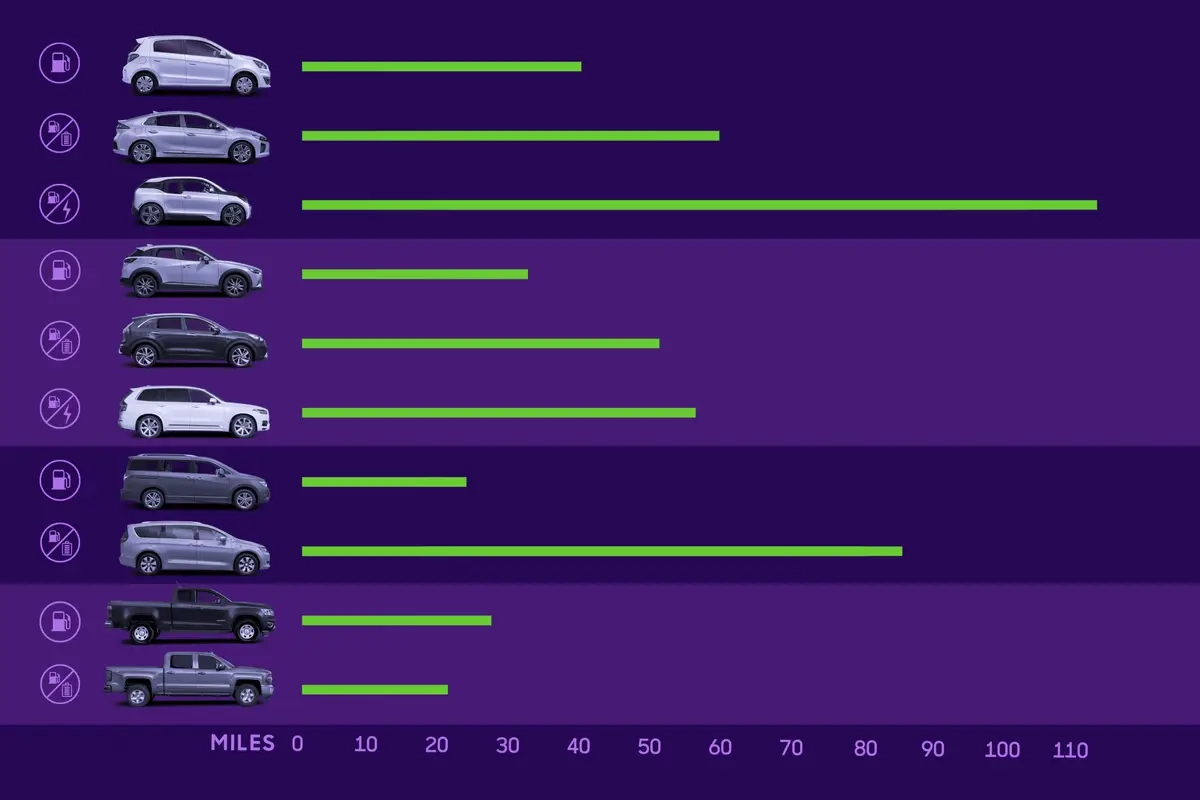
GMC fuel economy comparison
Performance Meets Efficiency
One of the standout features of GMC vehicles is their ability to deliver robust performance without sacrificing fuel efficiency. For instance, the GMC Sierra 1500 offers a range of engine options, including a turbocharged four-cylinder that provides impressive torque while maintaining a commendable fuel economy rating.
In my observations, the Sierra’s diesel variant is particularly noteworthy. It combines power with an EPA-estimated 23 mpg in the city and 30 mpg on the highway. This makes it a strong contender for those who need a workhorse but also want to keep fuel costs manageable.
Interior Comfort and Cabin Quality
While fuel economy is crucial, comfort shouldn’t be overlooked. GMC has designed its interiors with high-quality materials and spacious layouts. The GMC Acadia, for example, offers a comfortable ride for families while still providing decent fuel efficiency for an SUV.
I’ve found that the Acadia’s V6 engine strikes a good balance, offering 21 mpg in the city and 27 mpg on the highway. This makes it an attractive option for those who prioritize both space and efficiency.
Real-World Usage: Driving Feel
In my experience driving various GMC models, I’ve noticed that real-world fuel economy can differ from EPA estimates. The terrain and driving habits play significant roles. For instance, I took the GMC Terrain on a road trip through hilly areas and found that its turbocharged engine performed admirably, even if it didn’t quite hit the highway numbers advertised.
This brings me to an important point: always consider how you plan to use your vehicle. If you’re mostly driving in urban settings, you might find that some models perform better than others in terms of fuel efficiency.
Technology and Infotainment Features
GMC has integrated advanced technology into its vehicles, which can also impact fuel economy. Features like adaptive cruise control and start-stop technology help optimize efficiency during drives. I’ve found that these systems not only enhance comfort but also contribute to better fuel management.
The infotainment systems are user-friendly and often come with smartphone integration, making it easier to monitor your driving habits and adjust settings for optimal fuel economy.
Trim Levels and Pricing Considerations
When comparing GMC models, it’s essential to look at different trim levels as they can significantly affect both performance and price. For example, the base model of the GMC Canyon offers excellent fuel economy at a lower price point compared to higher trims that may include more powerful engines.
- Canyon Base Model: Approximately 19 mpg city / 25 mpg highway
- Canyon Denali: Slightly lower due to added power features
This variation means you can choose a model that fits your budget while still meeting your fuel economy needs.
Exterior Design: Aesthetic Meets Functionality
The exterior design of GMC vehicles is not just about looks; it also plays a role in aerodynamics, which can affect fuel efficiency. The sleek lines of the GMC Yukon help reduce drag, contributing to better highway mileage.
I’ve noticed that vehicles with more aggressive styling often have improved aerodynamics without compromising on ruggedness—a hallmark of the GMC brand.
Final Thoughts on GMC Fuel Economy
Ultimately, when considering a new vehicle, I recommend test-driving several models to see how they perform in real-world conditions. Fuel economy is essential, but so is finding a vehicle that fits your lifestyle and preferences.