Understanding Honda AWD vs FWD
When it comes to choosing between Honda’s all-wheel drive (AWD) and front-wheel drive (FWD) systems, I’ve found that the decision often boils down to personal preference and driving needs. Both systems have their unique advantages, and understanding these can help you make an informed choice.
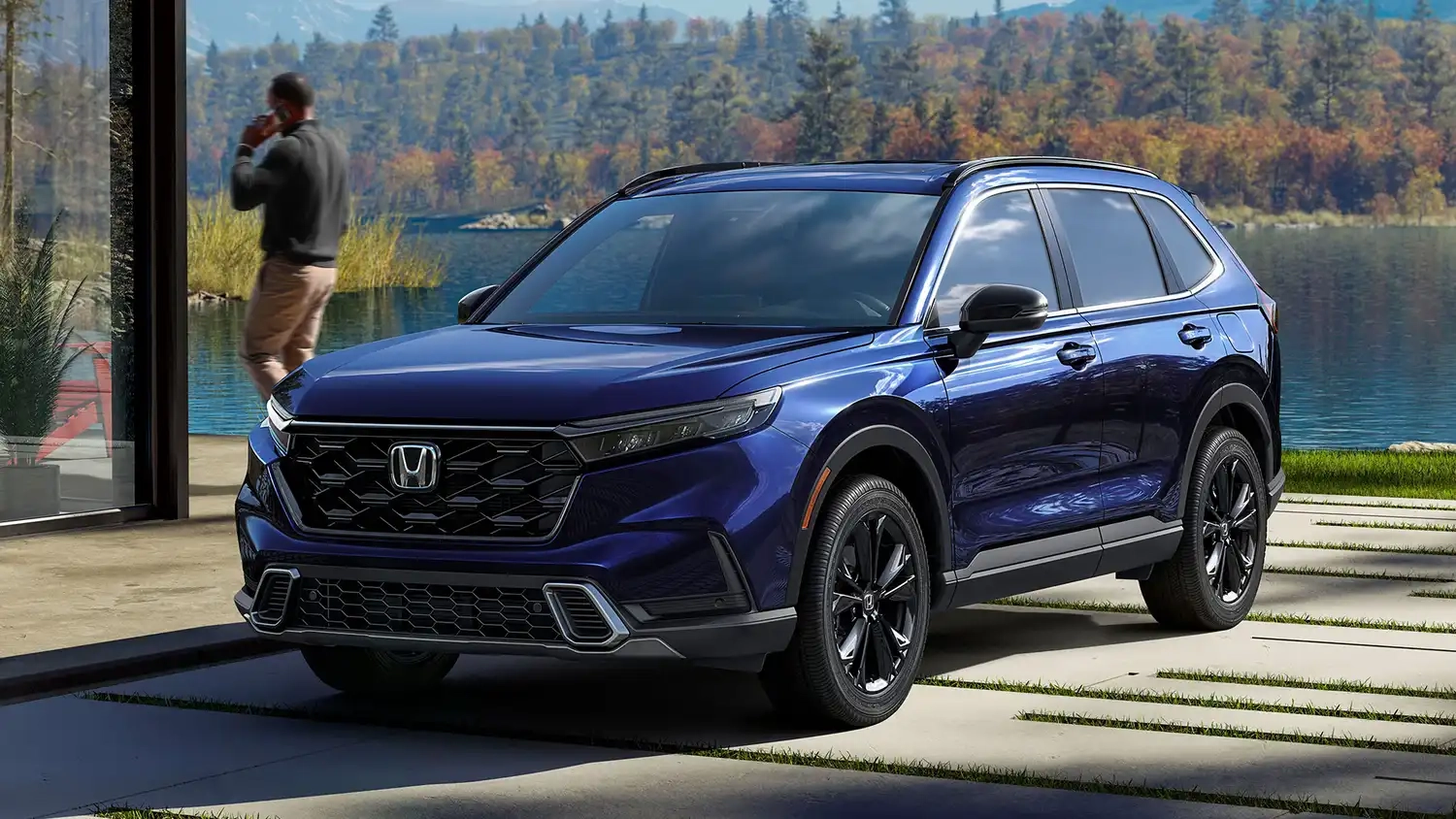
Honda AWD vs FWD
Performance and Driving Experience
In my experience, the performance of AWD vehicles shines in adverse weather conditions. The added traction can be a game-changer when driving on slippery roads. For instance, I’ve noticed that Honda’s AWD models, like the CR-V, handle rain and snow with remarkable stability.
On the other hand, FWD models, such as the Honda Civic, offer a different driving experience. They tend to be lighter and more fuel-efficient. I’ve found that FWD vehicles provide a nimble feel, especially in urban settings where quick maneuvers are necessary.
Fuel Economy and Efficiency
One of the standout features of FWD vehicles is their fuel efficiency. Generally, they consume less fuel compared to their AWD counterparts. For example, I’ve observed that the Honda Accord with FWD can achieve impressive mileage figures, making it a great option for daily commuters.
AWD systems, while providing enhanced traction, often come with a slight trade-off in fuel economy. However, if you live in an area with harsh winters or frequently encounter off-road conditions, the benefits of AWD might outweigh the costs at the pump.
Interior Comfort and Cabin Quality
When it comes to interior quality, both AWD and FWD Hondas offer comfortable cabins. I’ve spent time in both types, and I appreciate how Honda prioritizes passenger comfort across its lineup. The materials used are generally high-quality, and the layout is user-friendly.
However, I’ve noticed that some AWD models might have slightly less cargo space due to the additional components needed for the drivetrain. If you’re someone who values trunk space for road trips or family outings, this is something to consider.
Technology and Infotainment Features
Honda has made significant strides in technology across both AWD and FWD models. In my experience, features like Apple CarPlay and Android Auto are standard in many new models. This integration makes it easy to stay connected while on the road.
The infotainment systems are intuitive, but I’ve found that some users prefer physical buttons over touchscreen controls for ease of use while driving. Regardless of whether you choose AWD or FWD, you’ll find plenty of tech options to enhance your driving experience.
Driving Feel in Real-World Usage
I often take both types for a spin in various conditions. In dry weather, I’ve found that FWD vehicles feel more responsive and agile. However, when it rains or snows, switching to an AWD model gives me peace of mind knowing I have better control over my vehicle.
If you frequently drive in diverse conditions or enjoy outdoor adventures, opting for AWD might be worth considering. It provides that extra layer of confidence when tackling challenging terrains.
Trim Levels and Pricing
Pricing can vary significantly between Honda’s AWD and FWD models. Typically, AWD versions come at a premium due to their added complexity and capabilities. In my research, I’ve seen that while the base model of a Honda Civic is quite affordable with FWD, adding AWD can increase the price point considerably.
- AWD Models: Generally higher starting prices
- FWD Models: More budget-friendly options available
Final Thoughts on Honda AWD vs FWD
I encourage potential buyers to test drive both options to see which system feels right for them. Each has its strengths and weaknesses; understanding these will help you make a choice that fits your needs perfectly.