Understanding the 2026 Hyundai Tucson Maintenance Cost
When I first considered the 2026 Hyundai Tucson, I was curious about its maintenance cost. After all, owning a vehicle goes beyond the initial purchase price. In my experience, knowing what to expect in terms of upkeep can significantly influence your decision. The Tucson is known for its reliability, but how does that translate into actual costs?
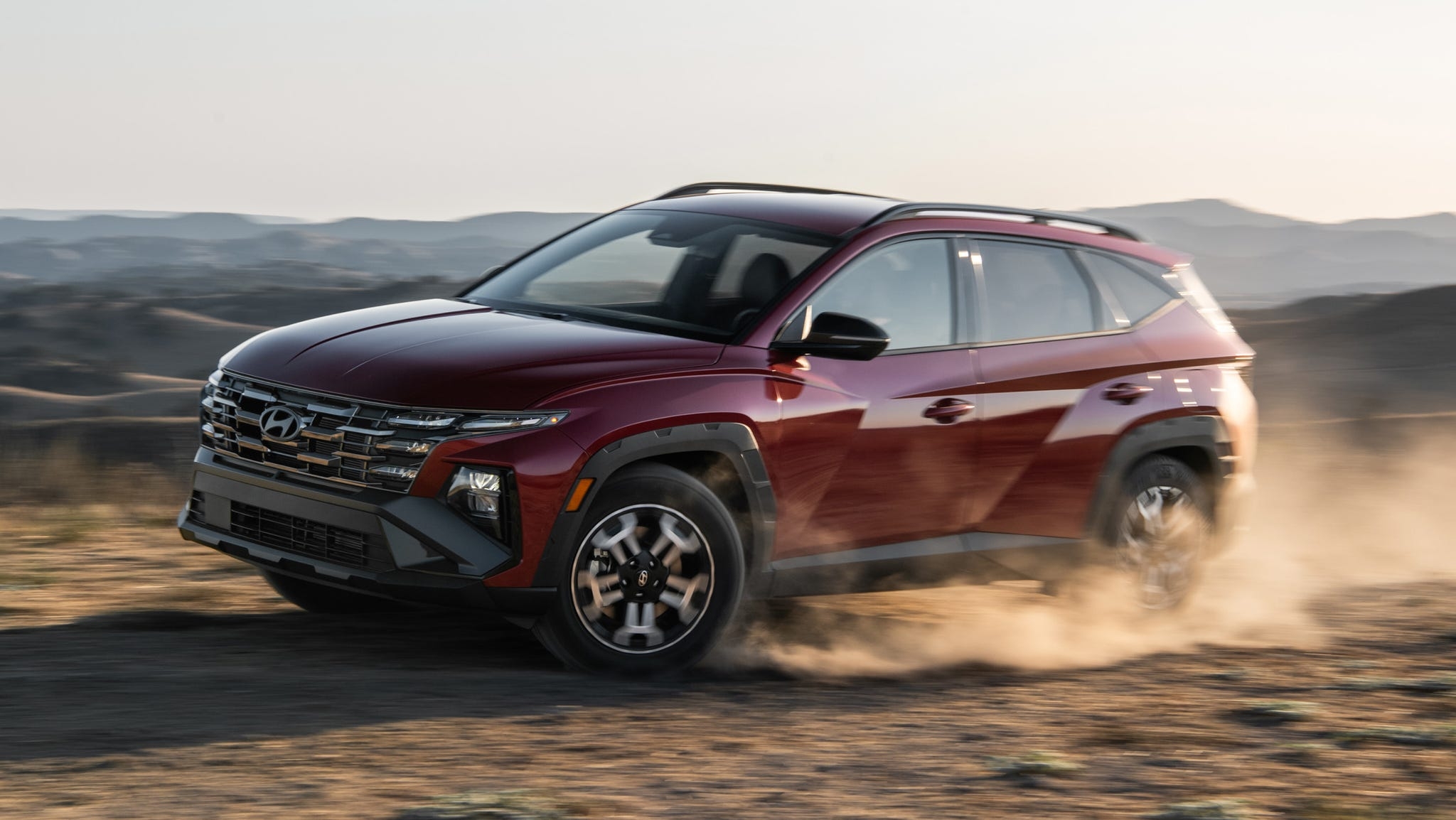
2026 Hyundai Tucson maintenance cost
First Impressions: A Reliable Choice
The 2026 Hyundai Tucson immediately impressed me with its sleek design and modern features. As I explored the interior, I found it spacious and comfortable, making it an excellent choice for families or anyone who enjoys road trips. However, I also wanted to ensure that this stylish SUV wouldn’t break the bank when it came to maintenance.
Maintenance Costs Breakdown
In my research, I discovered that the average annual maintenance cost for the 2026 Hyundai Tucson is around $500 to $600. This figure includes routine services like oil changes, tire rotations, and brake inspections. Here’s a quick breakdown of some common services:
- Oil Change: Approximately $60-$100
- Tire Rotation: Around $25-$50
- Brake Pad Replacement: Typically $150-$300
- Battery Replacement: About $100-$200
Fuel Economy: A Cost-Saving Feature
The Tucson’s fuel efficiency is another aspect that contributes to its overall affordability. With an estimated 26 MPG in the city and 33 MPG on the highway, I found that it offers a great balance between performance and economy. This means fewer trips to the gas station and lower fuel expenses over time.
Technology and Features: Worth the Investment
The 2026 Tucson comes packed with advanced technology that enhances both safety and convenience. Features like lane-keeping assist and adaptive cruise control not only make driving easier but can also prevent costly accidents. Investing in these technologies can save you money in the long run by reducing wear and tear on your vehicle.
Ownership Experience: Practicality Meets Comfort
As I spent more time with the Tucson, I appreciated its practicality. The spacious cargo area and comfortable seating make it ideal for everyday use. Additionally, Hyundai’s warranty coverage is one of the best in the industry, which adds peace of mind regarding potential repair costs.
Comparing Maintenance Costs with Competitors
I couldn’t help but compare the Tucson’s maintenance costs with other SUVs in its class. For instance, vehicles like the Honda CR-V and Toyota RAV4 have similar maintenance expenses, but I found that the Tucson often edges out with slightly lower costs due to its efficient engineering.
Pros and Cons of Owning a Tucson
- Pros:
- Affordable maintenance costs
- Excellent fuel economy
- Comprehensive warranty coverage
- Spacious interior with modern features
- Some may find engine performance lacking compared to rivals
- The infotainment system can be complex for new users
The Driving Experience: Smooth and Comfortable
The driving experience in the 2026 Hyundai Tucson is smooth and enjoyable. The handling is responsive, making it easy to navigate through city streets or highways. I found that even during longer drives, the comfort level remained high thanks to supportive seating and a quiet cabin.
Final Thoughts on Maintenance Costs
If you’re considering purchasing a 2026 Hyundai Tucson, I highly recommend factoring in its maintenance costs as part of your decision-making process. With reasonable upkeep expenses, impressive fuel efficiency, and a comfortable driving experience, it stands out as a practical choice for many drivers.
Ultimately, my experience with the Tucson has been positive, and I believe it offers great value for those looking for a reliable SUV without breaking the bank on maintenance.