When comparing the 2026 Mazda CX-30 vs Hyundai Kona, I can’t help but feel excited about the choices available in the compact SUV market. Both vehicles offer unique features and capabilities that cater to different preferences. In my experience, understanding these differences can help potential buyers make an informed decision.
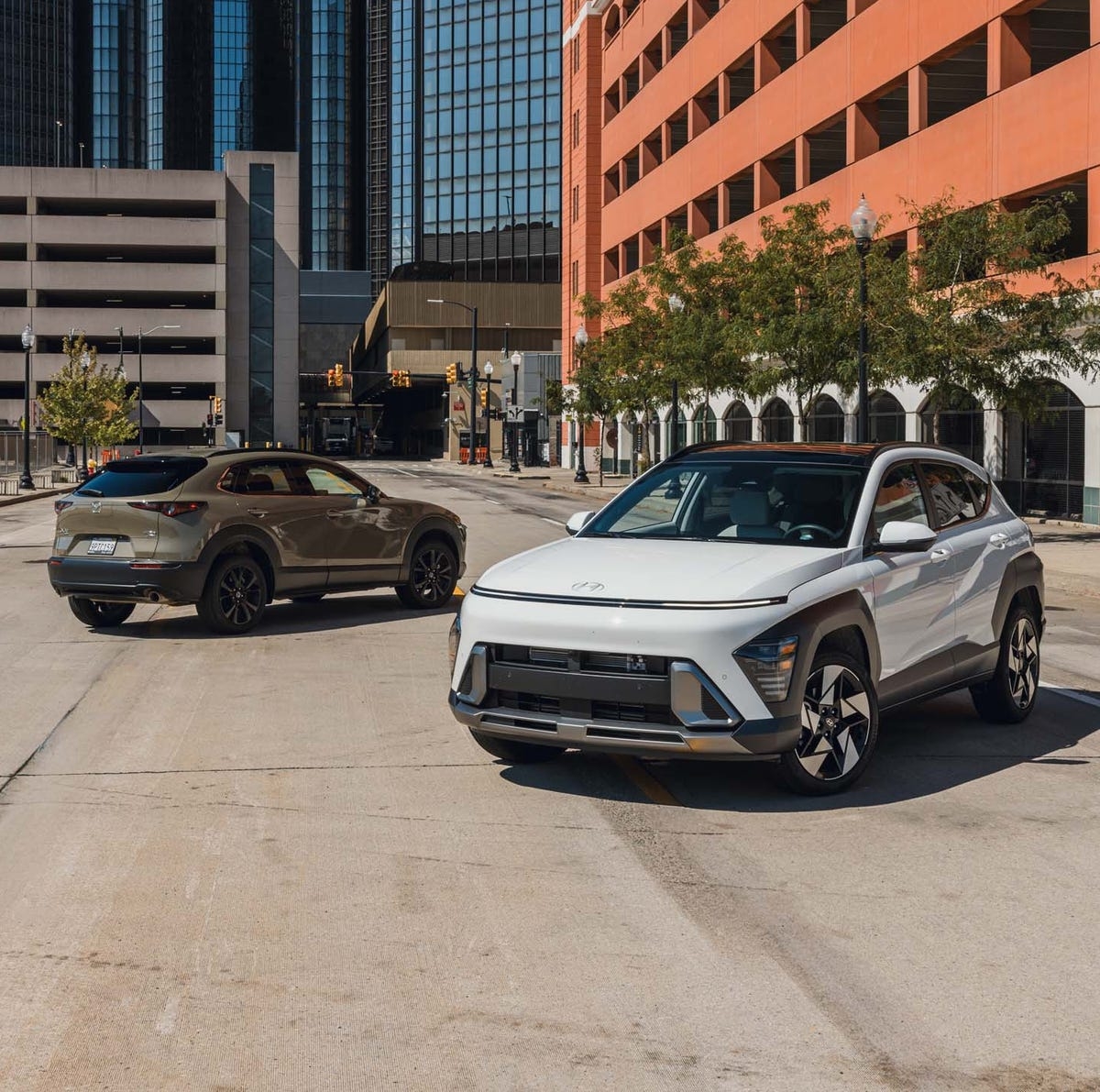
2026 Mazda CX-30 vs Hyundai Kona
Performance and Engine
The performance of a vehicle is often a deciding factor for many drivers. The 2026 Mazda CX-30 comes equipped with a spirited 2.5-liter four-cylinder engine that delivers around 186 horsepower. This engine provides a smooth and responsive driving experience, especially when navigating city streets or winding roads.
On the other hand, the Hyundai Kona offers a bit more variety in its engine lineup. The base model features a 2.0-liter four-cylinder engine producing 147 horsepower, while the sportier N Line variant boasts a turbocharged 1.6-liter engine with 195 horsepower. I’ve found that this flexibility allows buyers to choose an engine that best suits their driving style.
Interior and Comfort
Stepping inside the Mazda CX-30, I’m always impressed by its upscale interior design. The materials used are high-quality, giving it a premium feel that rivals some luxury brands. The seats are comfortable and supportive, making long drives enjoyable.
In contrast, the Hyundai Kona has a more youthful and vibrant interior. While it may not feel as upscale as the CX-30, it compensates with practicality and space. The rear seats offer decent legroom, which is a plus for families or those who frequently travel with passengers.
Technology and Features
When it comes to technology, both vehicles are well-equipped. The Mazda CX-30 features an intuitive infotainment system with a large touchscreen display and standard Apple CarPlay and Android Auto integration. I appreciate how easy it is to connect my devices and access navigation or music apps.
The Hyundai Kona also offers a user-friendly infotainment system, but what stands out to me is its available head-up display in higher trims. This feature enhances safety by allowing drivers to keep their eyes on the road while accessing important information.
Fuel Economy / Range
Fuel efficiency is another critical aspect to consider when comparing the 2026 Mazda CX-30 vs Hyundai Kona. The CX-30 achieves an impressive EPA rating of around 25 mpg in the city and 33 mpg on the highway. This makes it a solid choice for those who want to save on fuel costs without sacrificing performance.
The Hyundai Kona shines even brighter in this category, especially with its base engine, which offers up to 30 mpg in the city and 35 mpg on the highway. For eco-conscious drivers or those who frequently commute, this could be a significant advantage.
Pros and Cons
- Mazda CX-30 Pros:
- Upscale interior quality
- Smooth and responsive handling
- Advanced safety features
- Less cargo space compared to competitors
- No hybrid or electric option available
- Excellent fuel economy
- Diverse engine options
- User-friendly technology features
- Interior materials feel less premium
- Noisy cabin at higher speeds
Final Verdict
In my opinion, choosing between the 2026 Mazda CX-30 vs Hyundai Kona ultimately depends on what you value most in a compact SUV. If you prioritize an upscale interior and engaging driving dynamics, the Mazda CX-30 is hard to beat. However, if fuel efficiency and versatility are at the top of your list, then the Hyundai Kona might be your best bet.
Both vehicles have their strengths and weaknesses, but either choice will provide a reliable and enjoyable driving experience. It’s all about finding the right fit for your lifestyle!