Exploring the 2026 Honda HR-V Safety Rating
When I first heard about the 2026 Honda HR-V, I was eager to dive into its safety features. In my experience, safety ratings can make or break a vehicle’s appeal, especially for families and safety-conscious drivers. The HR-V has always been a popular choice in the subcompact SUV segment, and I wanted to see how it stacks up in terms of safety.
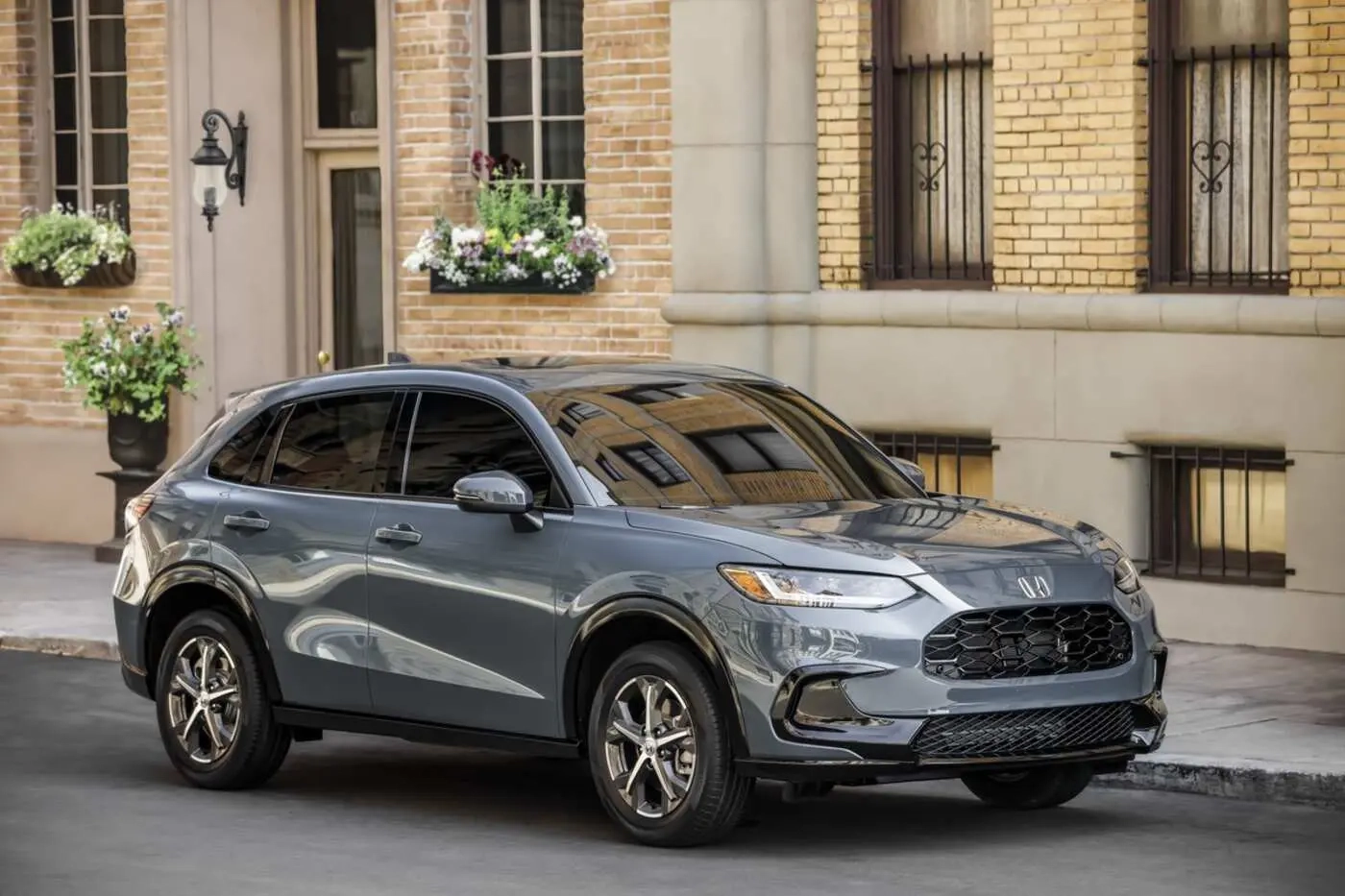
2026 Honda HR-V safety rating
First Impressions of Safety Features
The 2026 Honda HR-V comes equipped with an impressive array of safety technologies. From my perspective, Honda has really stepped up its game with the latest model. The standard Honda Sensing suite includes adaptive cruise control, collision mitigation braking, and lane-keeping assist. These features not only enhance driving confidence but also contribute significantly to the overall safety rating.
Real-World Usage and Driving Feel
During my test drive, I found that the HR-V handles well in various driving conditions. The responsive steering and stable braking gave me peace of mind. I’ve noticed that many drivers appreciate how the vehicle feels secure on highways and city streets alike. The visibility from the driver’s seat is excellent, which is a crucial factor when considering safety.
Interior Comfort and Cabin Quality
Stepping inside the 2026 HR-V, I was impressed by the cabin quality. The materials used feel durable yet comfortable, which is essential for long drives. The spacious interior allows for ample legroom, making it a practical choice for families. Additionally, the rear seats fold down easily, providing extra cargo space for those weekend getaways.
Technology That Enhances Safety
The infotainment system in the 2026 Honda HR-V is user-friendly and integrates seamlessly with smartphones. I’ve found that having access to navigation and hands-free calling can reduce distractions while driving. This tech not only makes journeys more enjoyable but also contributes to safer driving practices.
Fuel Efficiency Meets Safety
One aspect that often gets overlooked when discussing safety is fuel efficiency. The 2026 HR-V boasts impressive fuel economy ratings, which means fewer stops at gas stations and more time on the road. This efficiency can lead to safer driving habits as well; less time spent refueling means less exposure to potential hazards.
Trim Levels and Pricing Considerations
The 2026 Honda HR-V offers several trim levels, each packed with unique features that enhance safety and comfort. From my research, I found that even the base model comes with essential safety technologies, making it a great value for budget-conscious buyers. As you move up in trims, additional features like blind-spot monitoring become available, further boosting the vehicle’s safety profile.
Comparing Safety Ratings with Competitors
In my opinion, comparing the HR-V’s safety rating with competitors like the Toyota C-HR or Mazda CX-30 is essential for potential buyers. While all these vehicles offer solid safety features, I believe the HR-V stands out due to its comprehensive suite of standard technologies and overall reliability.
Pros and Cons of the 2026 Honda HR-V
- Pros:
- Robust safety features across all trims
- Spacious interior with high-quality materials
- User-friendly technology interface
- Impressive fuel efficiency
- Lack of a powerful engine option
- Some competitors offer more advanced driver-assist features
Final Thoughts on Safety Ratings
The 2026 Honda HR-V impresses me not just with its design but also with its commitment to safety. With a solid safety rating backed by advanced technology and practical features, it’s a strong contender in its class. Whether you’re a daily commuter or a family on the go, this SUV offers peace of mind on every journey.
If you’re considering a new vehicle in this segment, I highly recommend taking a closer look at the 2026 Honda HR-V. Its blend of safety, comfort, and efficiency makes it a standout choice for anyone prioritizing these aspects in their next vehicle purchase.