Discovering the Best Toyota Hybrid for Fuel Savings in 2026
In my experience, finding the best Toyota hybrid for fuel savings in 2026 is not just about numbers; it’s about how these vehicles fit into our daily lives. With rising fuel prices and a growing emphasis on sustainability, hybrids have become more appealing than ever. Toyota has long been a leader in this space, and their 2026 lineup promises to deliver impressive efficiency without sacrificing comfort or performance.
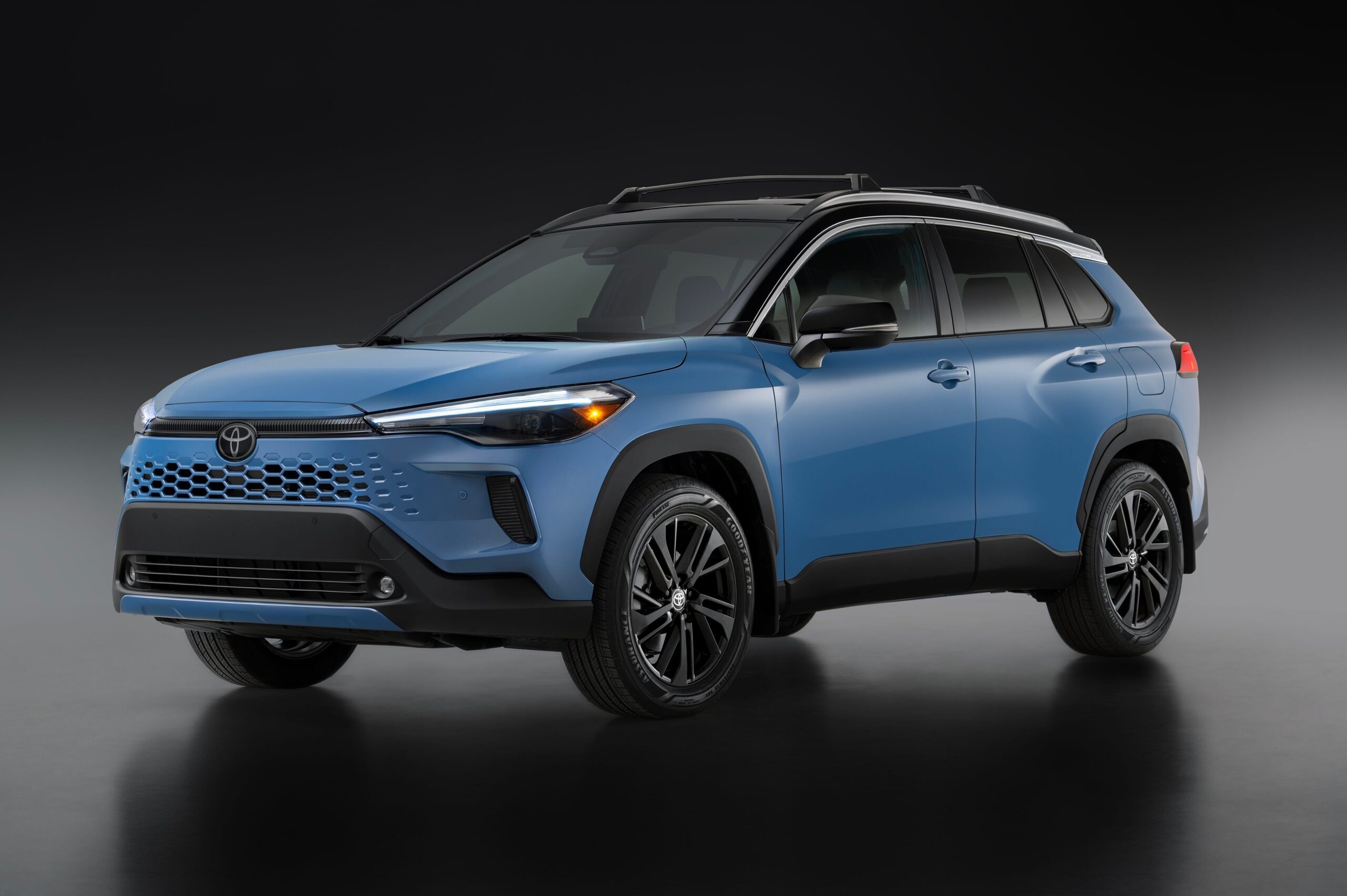
best Toyota hybrid for fuel savings 2026
Fuel Economy That Impresses
When it comes to fuel economy, the 2026 Toyota Prius stands out. I’ve found that this model consistently offers exceptional miles per gallon (MPG) ratings, making it a top contender for anyone focused on saving at the pump. With an estimated 56 MPG combined, it’s hard to ignore its efficiency.
Another noteworthy option is the Toyota RAV4 Hybrid. This compact SUV combines practicality with impressive fuel savings, achieving around 40 MPG combined. For those who need a bit more space without compromising on efficiency, the RAV4 Hybrid is a fantastic choice.
Performance and Driving Experience
The driving experience of these hybrids is surprisingly engaging. The Prius, for instance, features a smooth and quiet ride that makes city driving a breeze. I’ve noticed that its acceleration is responsive, especially in urban settings where quick maneuvers are often necessary.
If you’re looking for something sportier, the Toyota Camry Hybrid offers a more dynamic driving feel. With its robust engine and hybrid synergy drive, it provides a blend of power and efficiency that’s hard to beat in its class.
Interior Comfort and Cabin Quality
Stepping inside the 2026 Toyota hybrids reveals a focus on comfort and technology. The Prius boasts a spacious cabin with high-quality materials that elevate the overall experience. I appreciate how intuitive the layout is, making it easy to access controls while driving.
The RAV4 Hybrid takes this a step further with its versatile interior. With ample cargo space and comfortable seating for five, it’s perfect for families or those who enjoy weekend getaways. Plus, the panoramic sunroof option adds an extra touch of luxury.
Technology and Infotainment Features
In today’s tech-driven world, having the right features can make all the difference. The 2026 Toyota hybrids come equipped with advanced infotainment systems that include Apple CarPlay and Android Auto compatibility. I’ve found these features incredibly useful for staying connected on the go.
The Prius also includes Toyota’s Safety Sense suite as standard, which offers advanced safety features like adaptive cruise control and lane-keeping assist. This not only enhances safety but also provides peace of mind during long drives.
Trim Levels and Pricing
When considering your options, it’s essential to look at trim levels and pricing. The Prius offers several trims ranging from the base model to more luxurious options with added features. Prices start competitively, making it accessible for many buyers.
The RAV4 Hybrid also has multiple trims available, allowing buyers to choose based on their budget and desired features. While it may be slightly more expensive than the Prius, its versatility makes it worth considering.
Real-World Usage and Practicality
In real-world usage, both the Prius and RAV4 Hybrid shine in practicality. I’ve found that their fuel efficiency translates into significant savings over time, especially for those who commute regularly. Additionally, their reliability means fewer trips to the mechanic, which is always a plus.
Final Thoughts on Choosing Your Hybrid
Ultimately, choosing the best Toyota hybrid for fuel savings in 2026 comes down to personal preference and lifestyle needs. Whether you lean towards the compact efficiency of the Prius or the spacious versatility of the RAV4 Hybrid, both models offer excellent fuel economy without compromising on quality or comfort.
I encourage anyone considering a hybrid to take a test drive and see which model feels right for them. With Toyota’s commitment to innovation and sustainability, you can’t go wrong with either choice.