Hyundai AWD vs FWD: My Personal Take
When it comes to choosing between Hyundai’s all-wheel drive (AWD) and front-wheel drive (FWD) systems, I’ve found that the decision often boils down to personal preference and driving needs. Both options have their unique advantages, and understanding these can help you make an informed choice.
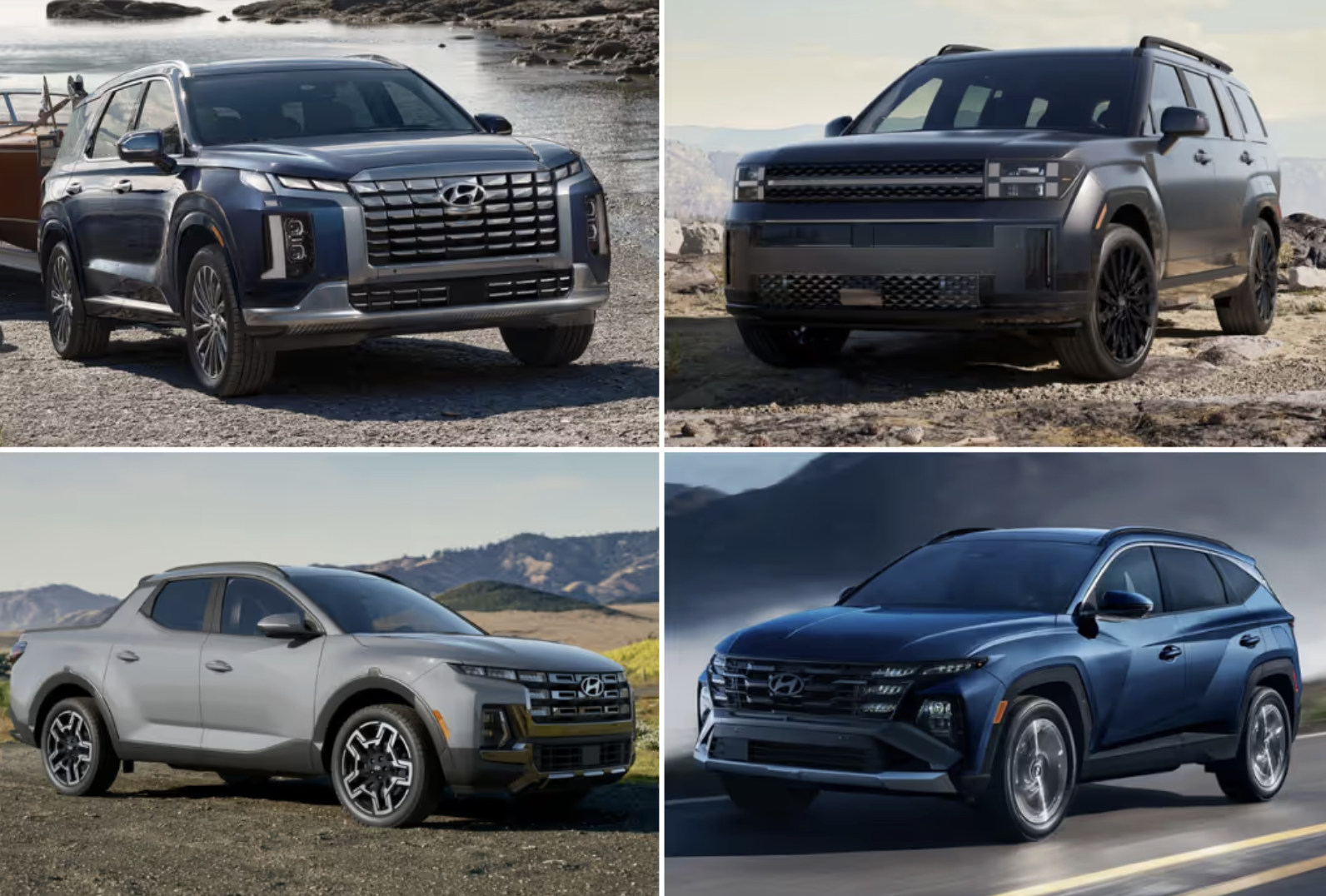
Hyundai AWD vs FWD
Driving Feel and Real-World Usage
In my experience, the driving feel of AWD vehicles is noticeably different from FWD models. AWD provides enhanced traction, especially in adverse weather conditions. I’ve driven through rain and snow with confidence in an AWD Hyundai, feeling secure as the system distributes power to all four wheels.
On the other hand, FWD models tend to offer a lighter feel on the road. They are generally more fuel-efficient, which is a significant factor for many drivers. If you primarily drive in urban settings or areas with mild weather, a FWD Hyundai might be all you need.
Performance and Engine Options
Hyundai offers a range of engines across both AWD and FWD models. I’ve noticed that AWD variants often come with more powerful engine options, which can enhance performance during acceleration. The added weight of the AWD system can slightly affect fuel efficiency, but the trade-off is often worth it for the added control.
FWD models typically have smaller engines that are tuned for efficiency rather than raw power. This makes them ideal for daily commuting where fuel economy is a priority.
Interior Comfort and Cabin Quality
When stepping inside a Hyundai, whether it’s AWD or FWD, I’m always impressed by the cabin quality. The materials used are generally upscale for the price point. In both configurations, you’ll find comfortable seating and user-friendly layouts.
However, I’ve noticed that AWD models sometimes come with additional features aimed at enhancing comfort during longer drives. Features like heated seats and advanced climate control can make a significant difference on cold winter days.
Technology and Infotainment Features
Hyundai has made strides in technology across its lineup. In my experience, both AWD and FWD models come equipped with similar infotainment systems that are intuitive and responsive. I appreciate features like Apple CarPlay and Android Auto, which are standard in many models.
The difference often lies in higher trim levels of AWD vehicles offering more advanced tech options such as premium sound systems or larger touchscreen displays. If tech is a priority for you, it’s worth exploring these higher trims.
Fuel Economy: A Key Consideration
One of the most significant differences between Hyundai’s AWD and FWD systems is fuel economy. From my observations, FWD models generally outperform their AWD counterparts in terms of miles per gallon (MPG). If you’re someone who drives long distances regularly or has a long commute, this could be a deciding factor.
AWD systems tend to consume more fuel due to the added weight and complexity of the drivetrain. However, if you live in an area with harsh winters or frequently encounter off-road conditions, the benefits of AWD may outweigh the costs at the pump.
Exterior Design: Style Meets Functionality
I’ve always admired Hyundai’s design philosophy; their vehicles look sleek and modern regardless of drivetrain configuration. The exterior styling of both AWD and FWD models is appealing, but I’ve found that some AWD variants come with sportier accents that enhance their rugged appeal.
This can be particularly attractive if you want a vehicle that looks as capable as it performs. However, if you prefer a more understated look, FWD models often have a cleaner design that still turns heads.
Final Thoughts on Hyundai AWD vs FWD
No matter which option you choose, Hyundai offers quality vehicles that cater to various preferences. Take your time to test drive both configurations; you’ll gain valuable insights into what feels right for you.